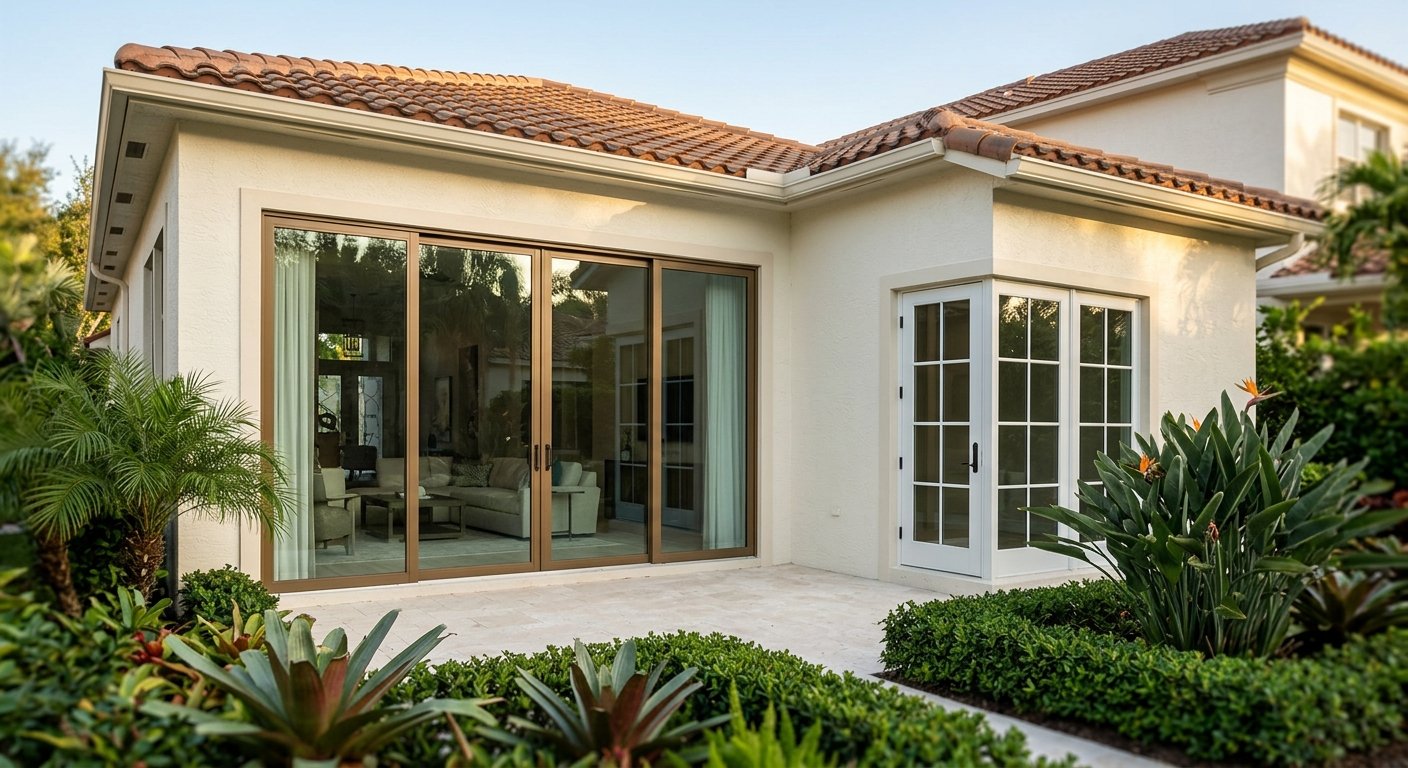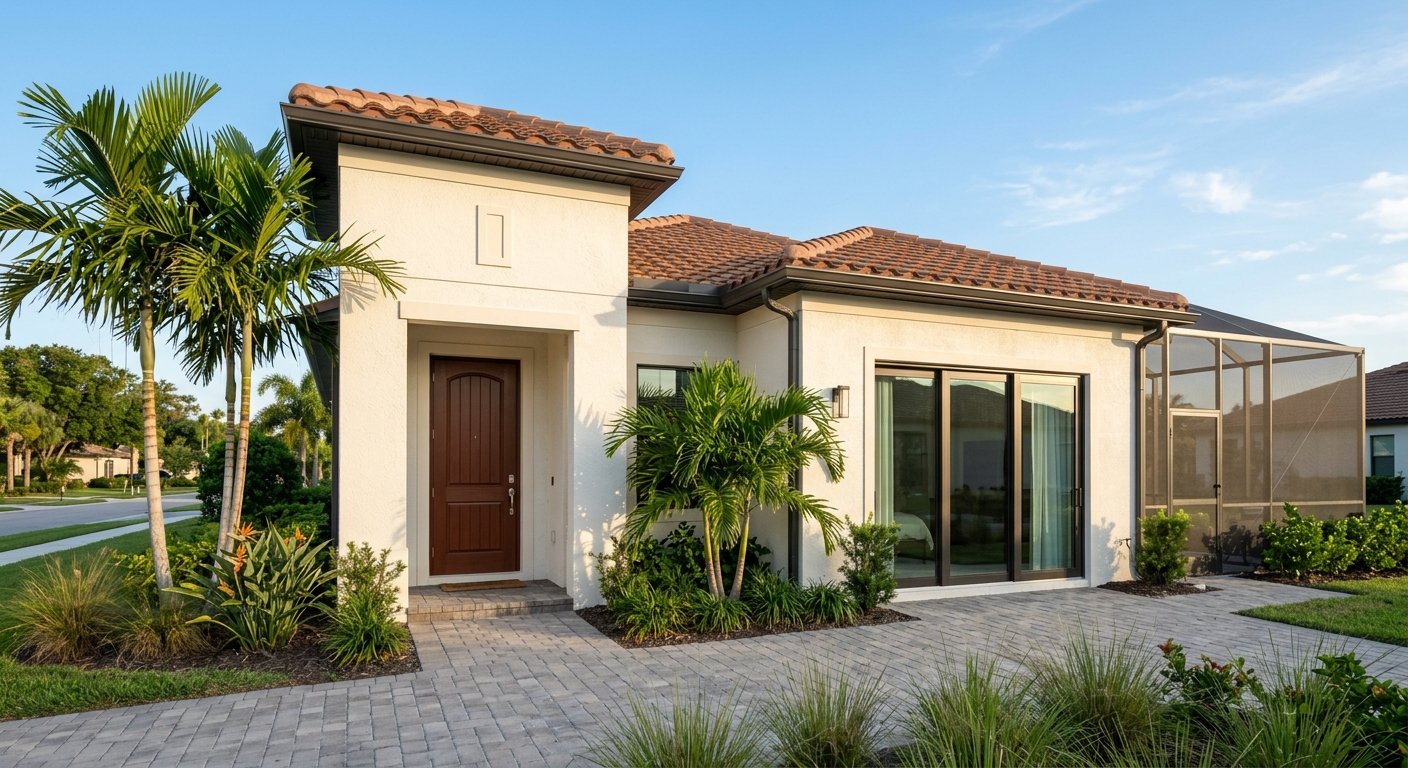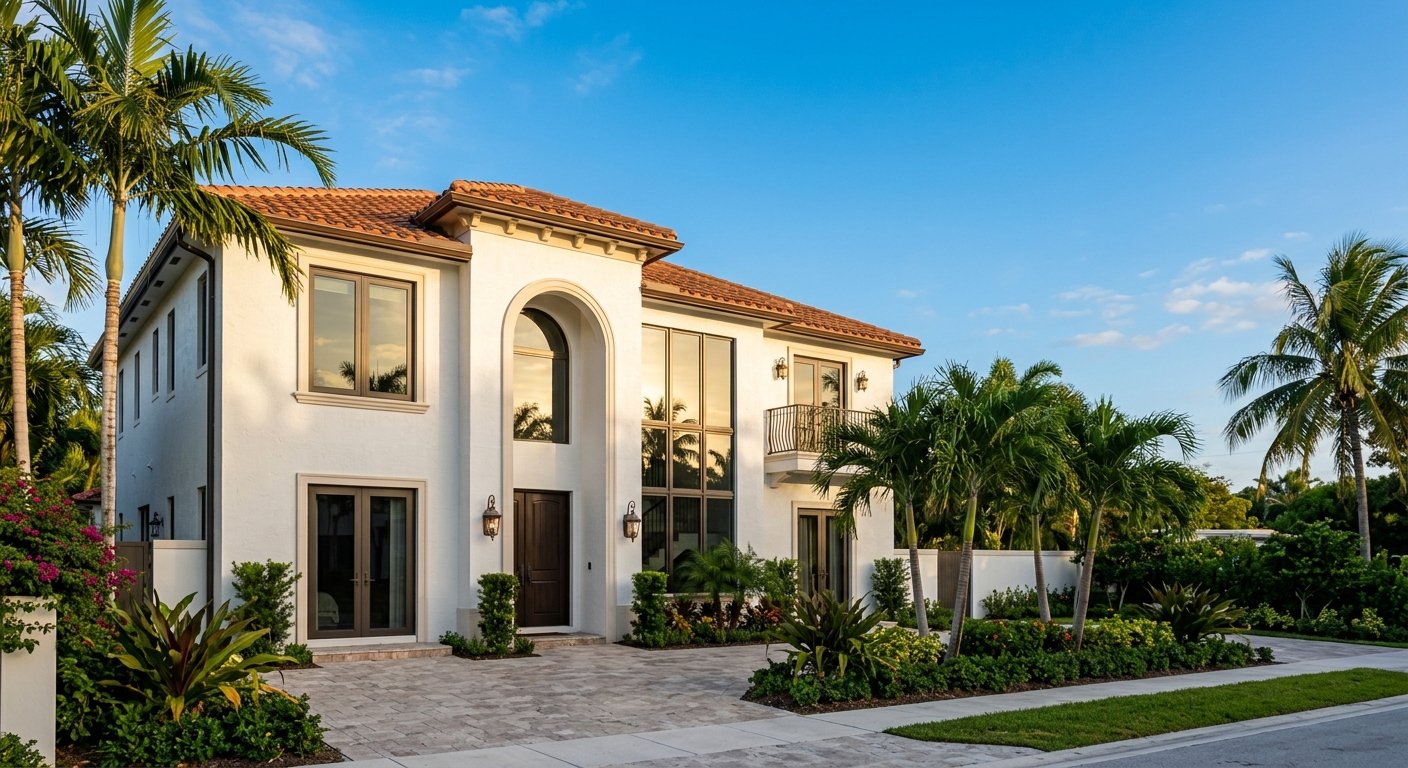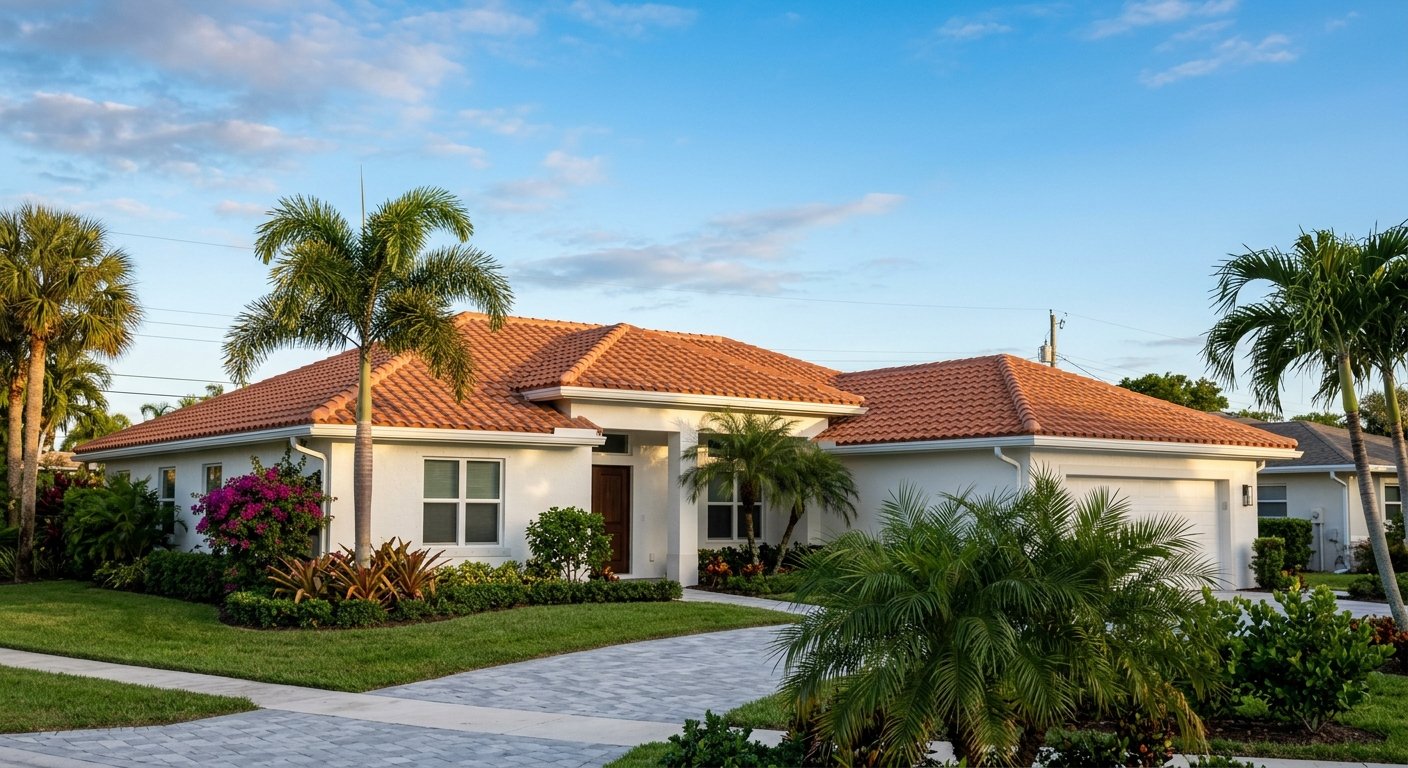
Most South Florida homeowners know they need impact windows. What surprises many is how much goes into the installation—far beyond simply swapping out old frames. A professional impact window installation process involves permits, inspections, precise measurements, and Florida Building Code compliance at every stage. Understanding those steps helps you set realistic expectations, ask the right questions, and recognize quality workmanship when you see it.
Whether you’re upgrading a home in Boca Raton, a waterfront property in Fort Myers, or a family residence in Deerfield Beach, this breakdown walks you through all eight steps of a properly executed installation.
Why the Process Matters as Much as the Product
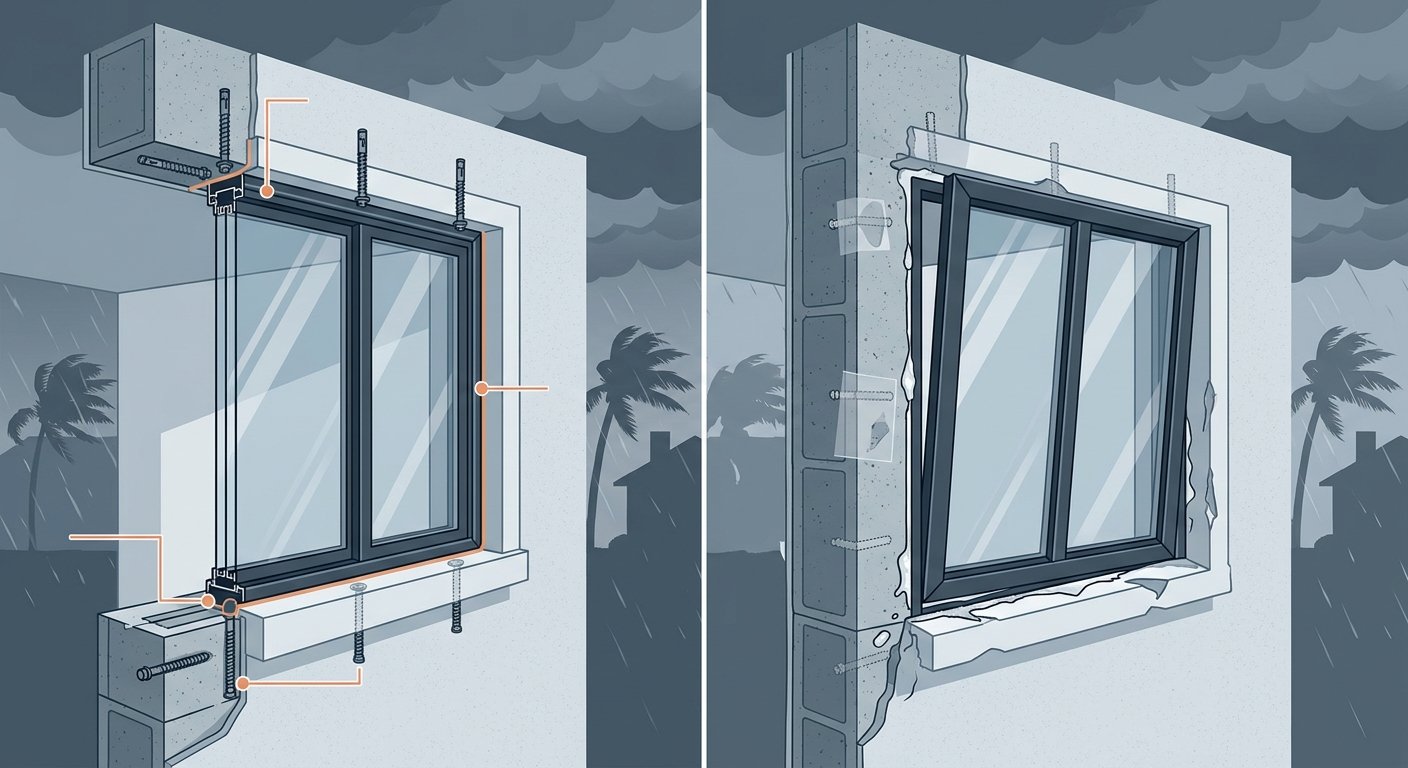
Impact windows from industry-leading manufacturers like CWS and ES Windows are engineered to withstand extreme wind pressure and hurricane-force debris. But even the best-rated product fails to protect your home if it isn’t installed correctly. Florida’s Florida Building Code sets strict requirements for impact window installations—requirements that exist precisely because improper installation has been documented as a leading cause of storm damage in previous hurricane seasons.
A licensed Florida Certified General Contractor follows a structured process that protects your home, your family, and your investment. Here’s what that process looks like from start to finish.
Step 1: In-Home Consultation and Needs Assessment
The installation process begins before a single measurement is taken. During an in-home consultation, a qualified contractor evaluates your existing openings, reviews your home’s construction type—whether CBS (concrete block), wood frame, or another build—and discusses your priorities around storm protection, energy efficiency, noise reduction, and budget.
This step also covers product selection. Not every impact window performs the same. Glass configuration, frame material, Low-E coatings, and impact rating all factor into which product is right for your specific application. A consultative approach here prevents costly mismatches down the line.
Step 2: Precision Measurement
Impact windows are fabricated to fit your openings. That means measurements must be exact. A technician measures each opening individually—rough opening dimensions, frame depth, and any irregularities in the surrounding structure. Even small measurement errors can result in gaps, water infiltration points, or structural weak spots that compromise both the seal and the code compliance of the installation.
For homes in Palm Beach County or Broward County with older construction, this step often reveals that openings aren’t perfectly square—something only an experienced contractor will catch and address before fabrication begins.
Step 3: Permit Submittal and Approval
Permits aren’t optional—they’re required. In Florida, impact window and door replacements require a building permit, and any contractor who suggests skipping this step should be disqualifying themselves immediately. Permits protect you legally, ensure inspections occur, and are necessary if you ever sell the home or file an insurance claim.
A licensed Florida Certified General Contractor handles permit submittal on your behalf. This includes preparing required documentation such as product approval numbers (NOA—Notice of Acceptance), engineering drawings where required, and proof of contractor licensure. Permit timelines vary by municipality, typically ranging from one to four weeks depending on the jurisdiction.
Step 4: Product Fabrication and Order Tracking
Once permits are approved and measurements are finalized, your windows are fabricated by the manufacturer. Lead times vary by product line and current demand, but most orders through manufacturers like CWS and ES Windows run several weeks. Your contractor should provide regular order updates so you’re never left wondering about your project timeline.
This waiting period is also when your contractor schedules the installation crew, coordinates any pre-installation prep work, and confirms that all materials—anchors, sealants, flashing, backer rod—will be on hand for installation day.
Step 5: Removal of Existing Windows or Shutters
On installation day, the first task is removing whatever is currently in place. For most South Florida homes, that means removing old aluminum single-pane windows, existing impact windows being replaced, or in some cases, structural openings that previously relied on accordion shutters or panel shutters for storm protection.
Careful removal matters. Damaging the surrounding frame, stucco, or interior drywall adds time and cost. Experienced crews protect both interior and exterior surfaces during this phase and properly dispose of the old materials.
Step 6: Impact Window Installation and Anchoring
This is the core of the process and where craftsmanship is most visible. Each impact window is set into the opening according to the manufacturer’s approved installation instructions and Florida Building Code requirements. Proper anchoring—using the correct fastener type, spacing, and embedment depth—is critical. These specifications are determined by the product’s Notice of Acceptance, which is a Florida-specific product approval document verifying the product has been tested and approved for use in the state.
According to the Federal Emergency Management Agency’s guidance on hurricane-resistant construction, improper anchoring is one of the primary failure points in storm events. Installation crews verify plumb, level, and square on every unit before anchoring is completed.
The same professional standards apply to impact doors and impact garage doors—a critical but often overlooked vulnerability in South Florida homes. Our modern impact glass garage doors, for instance, must meet the same rigorous anchoring and code requirements as any other opening in the building envelope.
Step 7: Sealing, Flashing, and Weatherproofing
Once windows are anchored, the perimeter of each unit is sealed and flashed to prevent water intrusion. This involves applying backer rod, high-quality sealant compounds, and in some cases, flashing tape or metal flashing depending on the construction type.
Water infiltration around impact windows is one of the most common callbacks after a poor installation. Proper sealing isn’t just about keeping rain out—it prevents mold growth, wood rot in frame construction, and long-term structural degradation. Interior finishing around the window frames is also addressed during this step to ensure a clean, complete appearance.
If you’re also upgrading your impact doors or impact windows together as part of a full home protection upgrade, coordinating all openings through one contractor ensures consistent sealing and weatherproofing standards throughout.
Step 8: Final Inspection and Certificate of Completion
After installation is complete, a municipal building inspector visits the property to verify code compliance. The inspector reviews the anchoring, sealant work, product approvals, and overall installation against permit drawings. Once the inspection passes, a certificate of completion is issued and attached to your permit record.
This final step is what legitimizes the entire project. It confirms to your insurance carrier, future buyers, and any governing authority that the work was done to code. Some insurance carriers in Florida require documented proof of permitted, inspected impact window installations before adjusting your premium—check with your insurer for their specific requirements, as individual policies vary.
How Long Does the Full Process Take?
From initial consultation to final inspection, most residential impact window projects in South Florida take six to twelve weeks. The breakdown typically looks like this:
- Consultation and measurement: 1–2 weeks
- Permit approval: 1–4 weeks (varies by municipality)
- Product fabrication: 3–6 weeks
- Installation day: 1–3 days depending on scope
- Final inspection scheduling: 1–2 weeks
Larger projects involving impact doors, impact garage doors, and full-home window replacement may extend this timeline. Planning ahead—especially before hurricane season peaks in August and September—allows you to complete the project without rushing any phase.
Frequently Asked Questions
Do I need a permit for impact window installation in Florida?
Yes. Florida Building Code requires permits for all impact window and door replacements. Any contractor who offers to skip the permit process is putting you at legal and financial risk. A licensed Florida Certified General Contractor will always pull the required permits on your behalf.
Can I stay in my home during the installation?
In most cases, yes. Professional installation crews work room by room or section by section to minimize disruption. Some homeowners with young children or pets prefer to arrange alternate accommodations on installation day, but it’s not typically required.
How do I verify my contractor’s credentials before hiring?
Ask for their Florida Certified General Contractor license number and verify it through the Florida Department of Business and Professional Regulation. Also confirm they carry liability insurance and workers’ compensation coverage. Any reputable contractor will provide this documentation without hesitation.
What’s the difference between impact windows and hurricane shutters?
Impact windows provide permanent, code-compliant protection without requiring you to deploy or store shutters before a storm. They also offer year-round benefits including energy efficiency, noise reduction, UV protection, and enhanced home security. Shutters are a secondary option but don’t provide the same continuous protection as properly installed impact windows and doors.
Does impact window installation affect my homeowner’s insurance?
However, the specific savings depend on your insurer, policy terms, and coverage type.
Protect Your Home with a Team You Can Trust
since 2007, Access Impact has helped South Florida families in Palm Beach, Broward, and Southwest Florida counties protect what matters most. As a military family-owned, Florida Certified General Contractor and authorized dealer for CWS and ES Windows, and other industry-leading manufacturers, we handle every step of the impact window installation process—from permit to final inspection—with the integrity and craftsmanship your home deserves.
If you’re ready to learn what the right impact window, door, or garage door solution looks like for your specific home, we’d welcome the conversation. Call us at (561) 283-2777 to schedule your no-pressure consultation in Boca Raton, Deerfield Beach, Fort Myers, or anywhere in our six-county service area.