Your sliding glass door is one of the largest openings in your home — and in a hurricane, large openings are exactly where failures begin. South Florida homeowners who’ve upgraded their impact windows often overlook this critical entry point, leaving a significant vulnerability in an otherwise protected envelope. If you’re considering impact sliding door installation for your Palm Beach, Broward, or Southwest Florida home, this guide walks you through what to expect, what to look for, and why professional installation matters more than most homeowners realize.
Why Sliding Doors Demand Special Attention
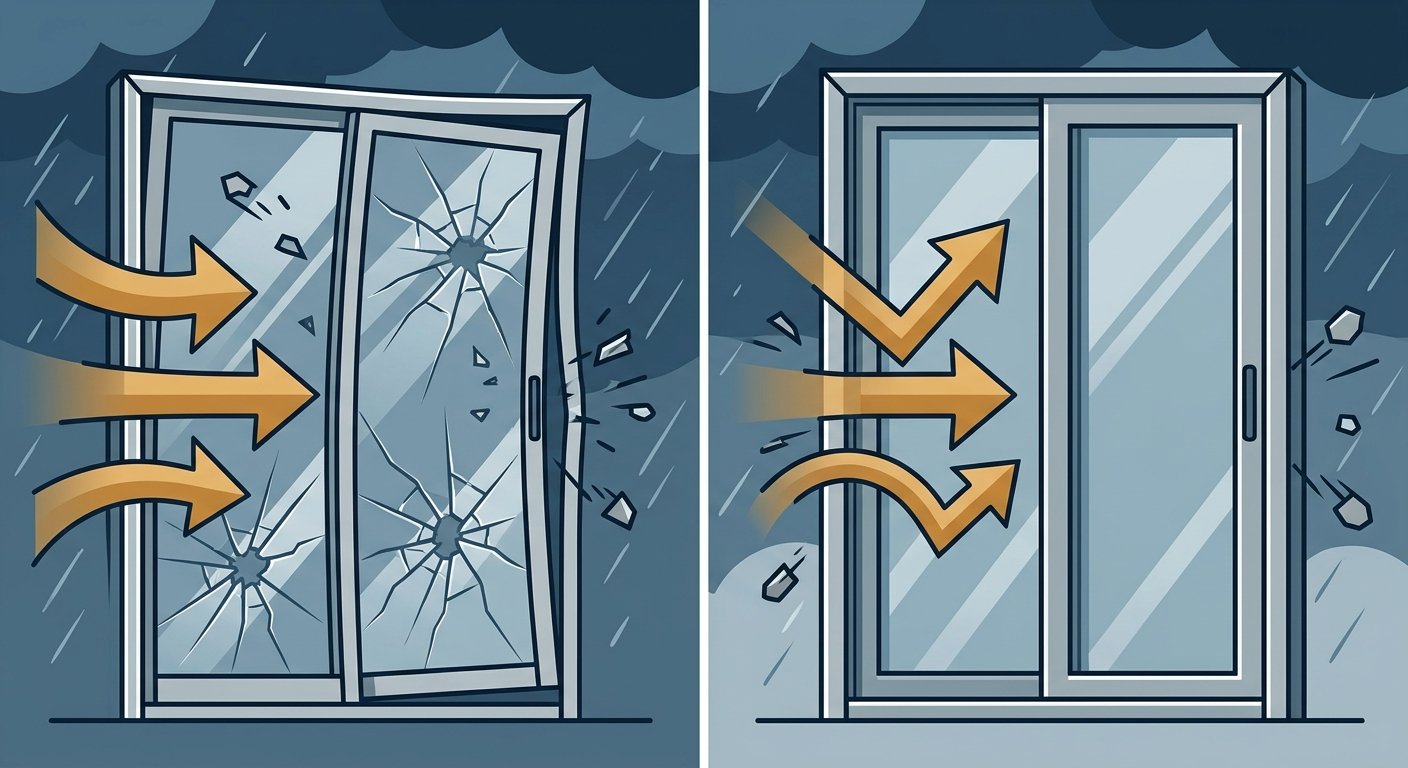
Standard sliding glass doors — even newer ones — are not designed to withstand South Florida hurricane conditions. They’re tested for general wind load, not the sustained pressures, flying debris, and pressure cycling that come with a major storm. According to the Federal Emergency Management Agency, wind-driven debris and structural breaches through large openings are among the most common causes of catastrophic home damage during hurricanes.
Impact sliding doors solve this problem by combining laminated glass with reinforced frames engineered specifically to meet Florida Building Code requirements. When a storm tests your home’s envelope, an impact sliding door holds — protecting not just the opening, but the pressure integrity of the entire structure.
Understanding the Impact Door Installation Process
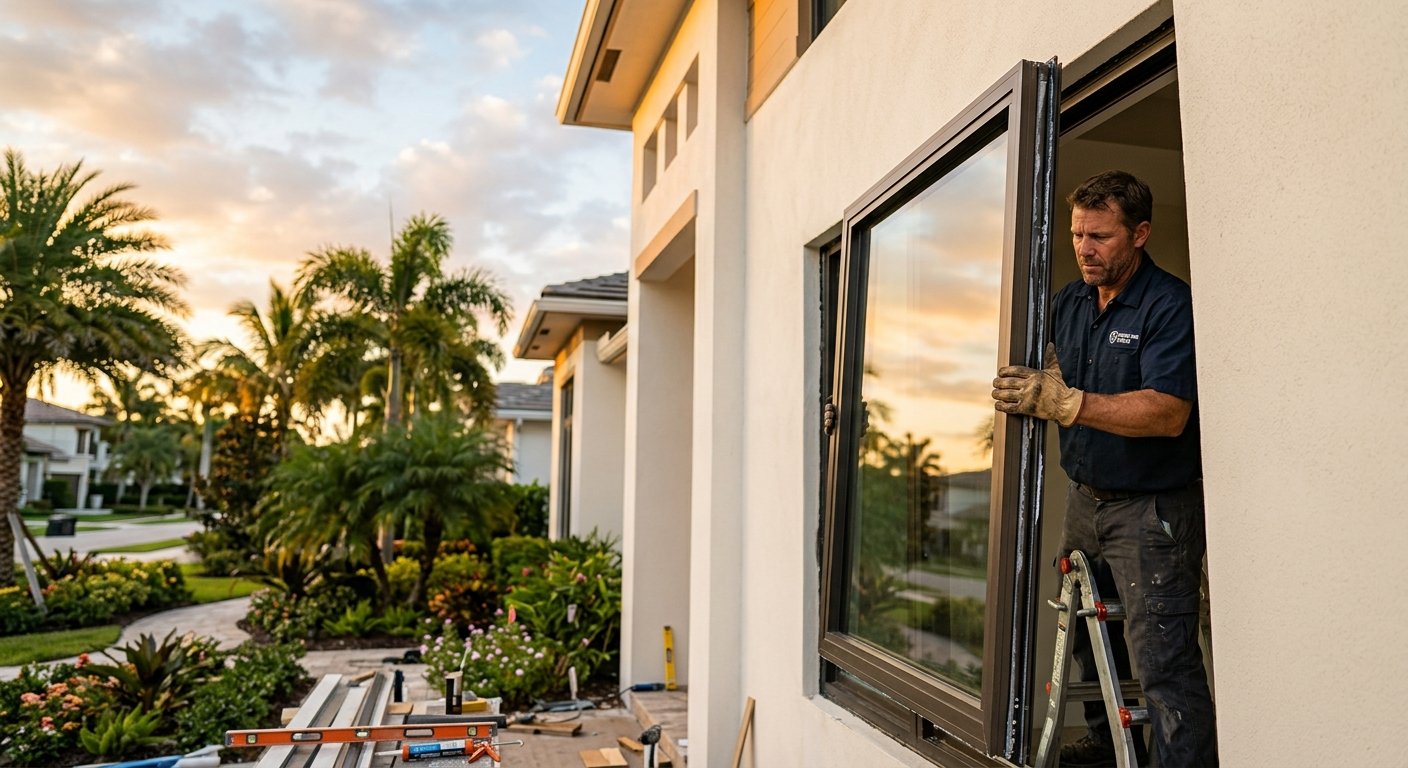
Many homeowners assume sliding door replacement is a straightforward swap. In reality, impact door installation in South Florida involves several precise steps that require a licensed contractor and strict adherence to Florida Building Code. Here’s how a professional installation unfolds:
1. In-Home Consultation and Measurement
Every installation begins with accurate field measurement. Rough opening dimensions, wall construction, substrate condition, and existing frame type all affect which products will perform correctly in your specific opening. At Access Doors & Windows, our consultations are genuinely no-pressure — we’re here to assess your needs and give you honest recommendations, not close a deal on the spot.
2. Product Selection and Permitting
Selecting the right impact sliding door means matching the product’s approved design pressure rating to your home’s required wind load. Products from manufacturers like PGT, CGI, and ES Windows carry Florida Product Approvals — documentation confirming they’ve been independently tested to meet code. After product selection, a building permit is pulled from your local municipality. This step is not optional. Permitted installations protect your investment, your insurance policy, and your family.
3. Removal of the Existing Door
The old door and frame are carefully removed without damaging the surrounding wall structure. Inspecting the rough opening at this stage often reveals surprises — rot, moisture intrusion, or inadequate framing — that need to be addressed before the new unit goes in.
4. Frame Preparation and Anchoring
Proper anchoring is where hurricane door installation differs most from standard window or door replacement. Impact frames must be anchored into structural substrates — concrete block, wood framing, or concrete — using approved fasteners at specified intervals. Inadequate anchoring is one of the most common failure points when impact products are installed by unlicensed contractors or general handymen who aren’t familiar with Florida Building Code requirements.
5. Sealing and Weatherproofing
Once anchored, the frame is sealed with approved flashing and sealants per the product’s installation instructions. This step is critical for both water infiltration protection and maintaining the door’s impact rating. Improper sealing voids product warranties and can compromise the entire installation.
6. Final Inspection
A municipal inspector signs off on the completed installation. This is the checkpoint that confirms your new impact sliding door was installed to code — and it’s your protection as a homeowner that the work was done right.
Choosing the Right Impact Sliding Door
Not all impact sliding doors perform the same way. Here are the key factors South Florida homeowners should evaluate:
- Design Pressure Rating: This number reflects the wind load the door is tested to withstand. Homes in coastal Palm Beach, Broward, or Collier counties often require higher DP ratings than inland properties. Your contractor should calculate the required rating based on your specific location and exposure category.
- Glass Options: Standard impact glass uses a laminated interlayer that holds the glass together if it’s struck. Low-E coatings add energy efficiency, reducing heat gain — a real benefit in South Florida. Some homeowners in Martin or Lee County opt for tinted glass for added privacy and solar control.
- Frame Material: Aluminum frames dominate South Florida impact door installations due to their corrosion resistance and strength. Vinyl frames are also available and offer excellent thermal performance.
- Panel Configuration: Impact sliding doors come in two, three, and four-panel configurations. Wider openings benefit from multi-panel designs that allow large clear views while maintaining structural integrity.
- Hardware and Locking Systems: Multi-point locking systems provide better security and help maintain the door’s seal under pressure. This matters both for hurricane performance and everyday security.
Brands like PGT, CGI, and ES Windows offer products with Florida Product Approvals specifically engineered for the demands of South Florida coastal environments. As authorized dealers for these manufacturers, we help homeowners match the right product to their exact situation — not just what’s easiest to install.
How Impact Sliding Doors Benefit Your Home Beyond Storm Protection
Storm safety is the primary driver for most homeowners, but the benefits of professionally installed impact sliding doors extend year-round:
- Energy Efficiency: Low-E laminated glass reduces solar heat gain, easing the load on your air conditioning system. This matters especially in Charlotte County and Collier County, where summer heat is relentless.
- Noise Reduction: The laminated glass that makes impact doors hurricane-resistant also dramatically reduces outside noise — traffic, lawn equipment, neighbors. Homeowners near busy corridors in Deerfield Beach or Boca Raton frequently comment on the immediate difference in interior quiet.
- Security: Standard sliding doors are a common entry point for burglars. Impact glass and multi-point locking hardware make forced entry significantly more difficult.
- Insurance Considerations: Many South Florida insurers recognize permitted impact product installations as a risk-reduction factor. Homeowners should consult directly with their insurance provider about how impact door upgrades may affect their policy — we can’t guarantee specific outcomes, but it’s a conversation worth having.
- Property Value: Permitted, professionally installed impact protection is a documented home improvement that buyers in South Florida increasingly expect and value.
The Permit and Florida Building Code Connection
Florida has some of the most rigorous building codes in the country — and for good reason. The Florida Building Commission updates the Florida Building Code regularly, incorporating lessons learned from major storm events. Impact product installations must comply with these codes, and that compliance is verified through the permitting process.
As a Licensed Florida Certified General Contractor with over 30 years serving South Florida families, Access Doors & Windows pulls permits on every job. We’ve seen the consequences when unpermitted work is discovered during a home sale or insurance claim — it creates serious complications for homeowners. Permitted installations protect you at every stage of homeownership.
You can explore your home’s required wind speed design criteria using the Applied Technology Council Wind Speed Tool, which provides location-specific data that informs the design pressure requirements for your impact products.
Impact Doors, Sliding Doors, and the Full Protective Envelope
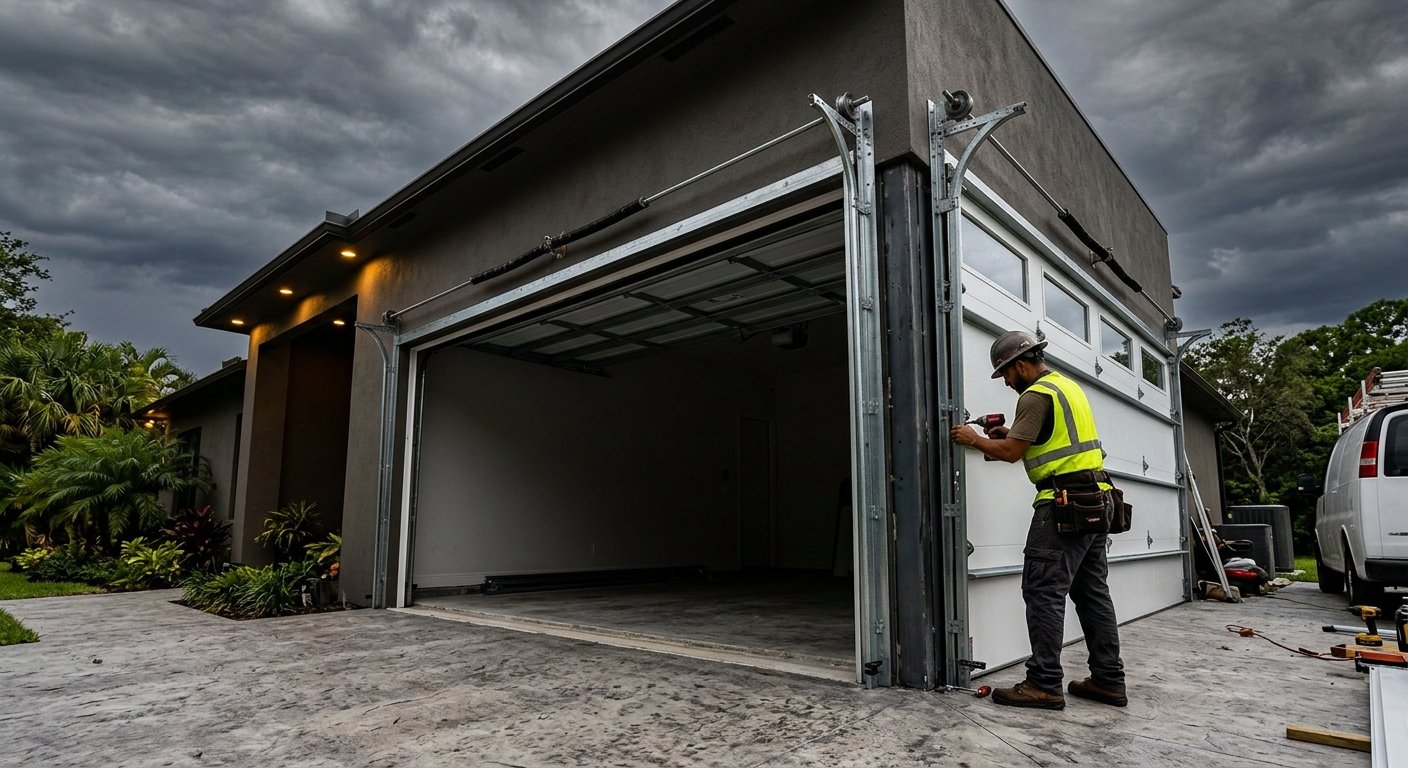
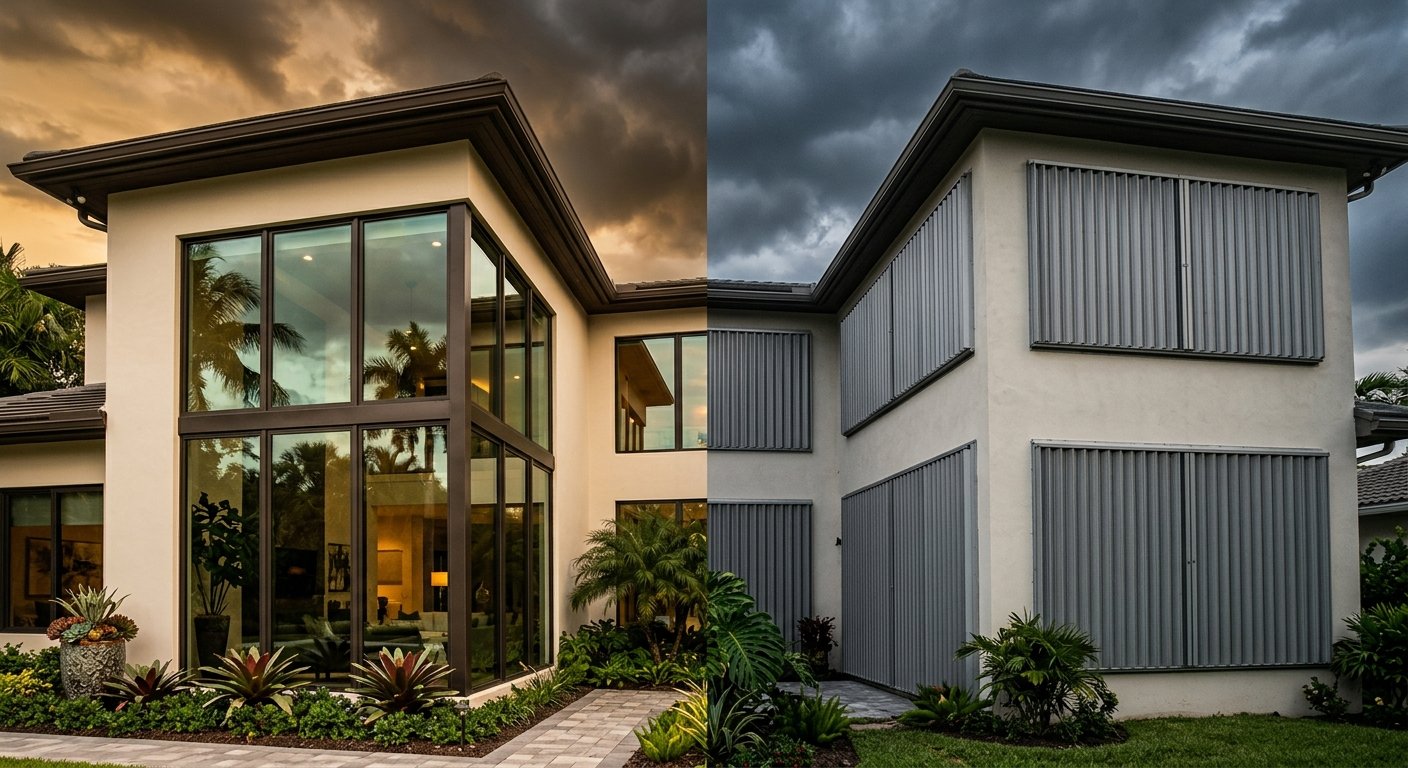
Sliding doors are one piece of your home’s protective envelope. For complete hurricane protection, every opening needs attention. That means impact window installation for all glazed openings, impact door installation for entry doors and French doors, and impact garage door installation for the largest single opening most homes have. A home with impact sliding doors but a standard garage door still has a major vulnerability. We help homeowners think through the full picture — not just one opening at a time.
Frequently Asked Questions
How long does impact sliding door installation take?
A typical single impact sliding door installation takes one day. Larger or more complex projects — multiple doors, structural repairs to the rough opening — may require two days. The permitting process before installation usually takes one to three weeks depending on your municipality.
Do I need a permit to replace my sliding glass door with an impact door?
Yes. In Florida, replacing any exterior door or window with an impact-rated product requires a building permit. This applies across Palm Beach, Broward, Martin, Lee, Collier, and Charlotte counties. Unpermitted installations can create significant problems during home sales, insurance claims, or future renovations.
Can my existing sliding door opening accommodate an impact door?
In most cases, yes. Impact sliding doors are manufactured in standard sizes and can be custom-ordered for non-standard openings. Your contractor will field-measure the rough opening during the consultation to confirm compatibility and identify any framing or substrate issues that need to be addressed.
What’s the difference between impact glass and tempered glass?
Tempered glass is heat-treated to be stronger than standard glass, but when it breaks, it shatters into small pieces. Laminated impact glass uses a polyvinyl butyral (PVB) interlayer bonded between glass layers. Even if the glass cracks under impact, the interlayer holds the pieces together, maintaining the opening’s integrity against wind and debris — which is what hurricane protection requires.
How do I know which design pressure rating my home needs?
Design pressure requirements depend on your home’s location, height, exposure category, and the specific opening’s size and position. A licensed contractor with Florida Building Code knowledge will calculate this during your consultation. Products must carry Florida Product Approval numbers confirming they’ve been tested to meet the required ratings.
Ready to Protect Your Home’s Largest Opening?
Impact sliding door installation is one of the most meaningful upgrades a South Florida homeowner can make — for safety, comfort, security, and long-term value. As a military family-owned company with 30+ years of experience protecting families across Deerfield Beach, Boca Raton, Fort Myers, and the surrounding region, Access Doors & Windows brings the expertise, credentials, and genuine commitment to quality that this work demands.
Call us at (561) 283-2777 to schedule a no-pressure consultation. We’ll assess your home, answer your questions honestly, and help you make the right decision for your family — on your timeline.