Installing impact windows in South Florida isn’t just about securing your home against hurricanes—it’s about following strict regulatory requirements that protect both your property and your family. The Florida Building Code has evolved significantly, and understanding the 2026 compliance standards ensures your investment delivers maximum protection, insurance benefits, and long-term value.
The impact window installation process in Florida requires adherence to some of the nation’s most stringent building codes. These regulations exist for good reason: South Florida’s vulnerability to hurricanes demands construction standards that can withstand extreme wind pressures, flying debris, and water infiltration. Proper installation according to Florida Building Code isn’t optional—it’s essential for your safety and legal compliance.
Understanding Florida Building Code Requirements for Impact Windows
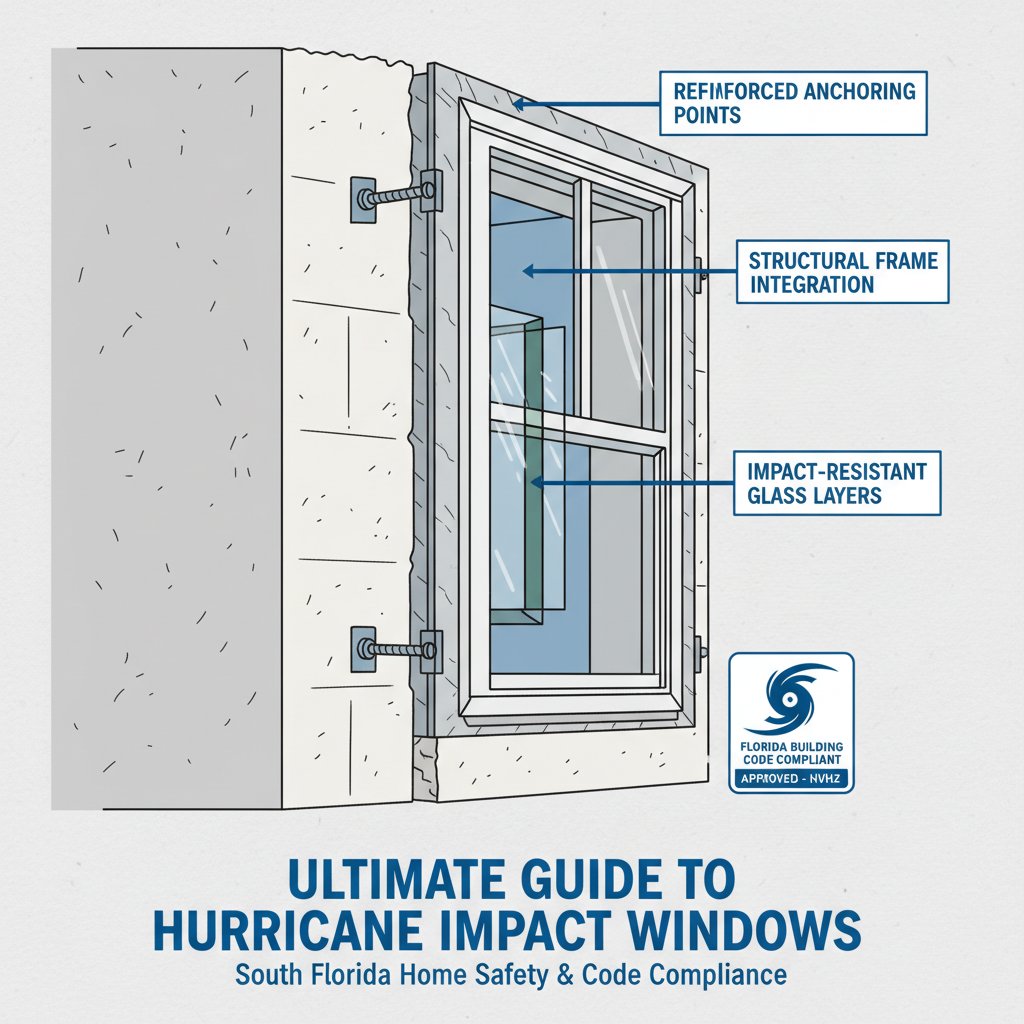
The Florida Building Code establishes comprehensive requirements for impact-resistant products and their installation. In 2026, these standards continue to prioritize structural integrity, proper anchoring systems, and verified product performance ratings. Every impact window must meet specific design pressure ratings based on your property’s wind zone, building height, and exposure category.
Palm Beach, Broward, and coastal communities in Lee, Collier, and Charlotte counties fall under high-velocity hurricane zones (HVHZ), requiring the most rigorous testing and installation standards. Products installed in these areas must pass large missile impact tests and maintain structural integrity under extreme pressure differentials. This means your impact windows must not only resist penetration from windborne debris but also prevent dangerous pressure changes that could compromise your home’s envelope.
The code also mandates proper fenestration ratings, including U-factors for energy performance, Solar Heat Gain Coefficients (SHGC), and visible light transmission. These aren’t just environmental considerations—they directly affect your cooling costs and comfort in South Florida’s climate. Professional impact window installation ensures these specifications align with both code requirements and your home’s specific needs.
The Professional Impact Window Installation Process
Professional installation begins long before any window arrives at your property. The process starts with a comprehensive assessment of your existing openings, structural conditions, and code compliance requirements. A Florida Certified General Contractor evaluates wall construction, framing integrity, and determines the appropriate anchoring systems for your specific building type.
Pre-Installation Inspections and Permitting
Every legitimate impact window installation in South Florida requires proper permitting. Your contractor submits detailed plans showing product specifications, installation methods, and structural calculations to local building departments. This documentation includes manufacturer’s Product Approval numbers (PA numbers), engineering letters, and installation instructions specific to the products being installed.
The permitting process protects homeowners by ensuring third-party verification of installation methods. In Palm Beach and Broward County, building officials review these plans to confirm compliance with local amendments to the Florida Building Code, which sometimes exceed state minimum requirements. This regulatory oversight prevents substandard installations that could fail during a hurricane event.
Accurate Measurement and Product Selection
Precision measurement is critical. Professional installers measure each opening multiple times, accounting for wall thickness, existing frame conditions, and necessary clearances. These measurements determine custom manufacturing specifications for products from industry leaders like PGT, CGI, and ES Windows. Even small measurement errors can compromise installation integrity and code compliance.
Product selection involves more than choosing attractive windows. Your contractor evaluates design pressure ratings required for your specific address, determines appropriate glazing configurations, and selects frame materials that meet structural requirements. Impact-resistant windows and doors must carry current Miami-Dade County or Florida Product Approval numbers, demonstrating they’ve passed required testing protocols.
Removal and Surface Preparation
Professional removal of existing windows protects your home’s structure. Experienced installers carefully extract old windows, inspect wall cavities for damage or deterioration, and address any structural concerns before proceeding. This often reveals hidden issues like wood rot, inadequate framing, or previous water intrusion that must be corrected for code-compliant installation.
Surface preparation includes ensuring opening dimensions match specifications, confirming proper drainage, and preparing substrates for new anchoring systems. The installation team addresses any discrepancies between existing conditions and new product requirements, sometimes requiring structural modifications to meet current code standards.
Installation and Anchoring Systems
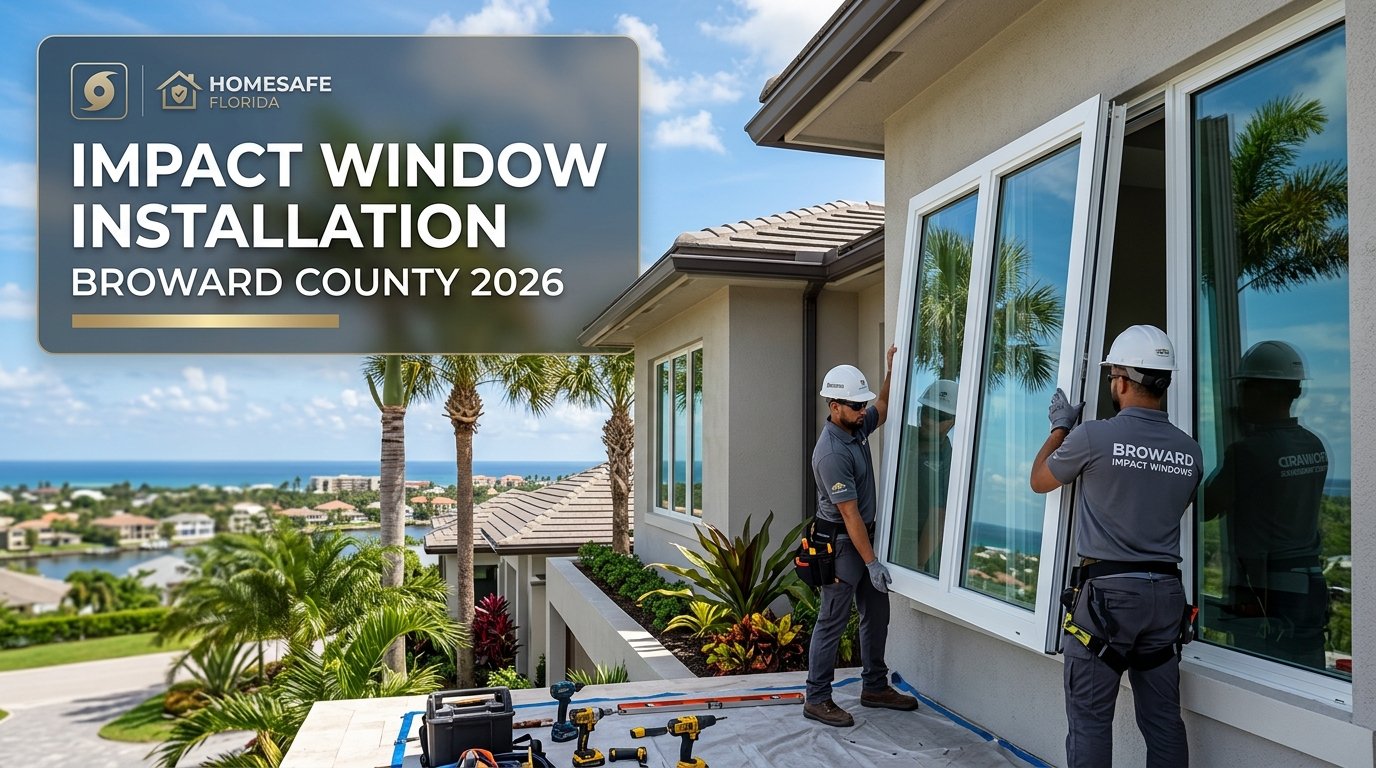
The actual installation follows manufacturer specifications and Florida Building Code requirements precisely. Impact windows must be anchored using approved fasteners at specific spacing intervals. In concrete block construction common throughout South Florida, this typically involves specialized anchors driven into structural block, never into mortar joints.
For wood frame construction found in Martin and Charlotte counties, installers use structural screws or anchors that penetrate wall studs at code-required intervals. The anchoring pattern must resist both positive and negative wind pressures that occur during hurricane conditions. Each fastener location is critical—shortcuts here create catastrophic failure points.
Professional installers from companies partnering with manufacturers like PGT and CGI receive factory training on proper installation techniques. They understand the difference between retrofit installations in existing openings versus new construction applications, adjusting methods accordingly while maintaining code compliance.
Sealing and Weatherproofing
Water infiltration prevention is paramount. The installation process includes multiple layers of weather protection using approved sealants, flashing systems, and drainage planes. Florida’s intense rainfall and wind-driven rain demand superior waterproofing that goes beyond basic caulking.
Professional installers apply sealants in specific sequences, ensuring proper adhesion and continuous water barriers. They install pan flashing at window sills, head flashing above units, and integrate these components with your home’s weather-resistant barrier. This systematic approach prevents the water intrusion problems that plague amateur installations.
Quality Control and Testing
Before calling for building department inspections, professional contractors perform their own quality checks. They verify all fasteners are properly installed, test window operation, confirm proper drainage, and check seal integrity. This internal inspection catches issues before official inspectors arrive, avoiding costly callbacks and delays.
Building Department Inspections and Final Approval
Florida Building Code requires inspections at specific stages. For impact window installations, inspectors verify product approvals match permitted plans, confirm proper anchoring systems, check fastener spacing and penetration depth, and evaluate overall installation quality. Inspectors may require corrections if any aspect fails to meet code requirements.
In high-velocity hurricane zones like coastal Palm Beach and Broward County, inspections are particularly thorough. Inspectors understand that substandard installations create life-threatening hazards during hurricanes. They verify every detail, from anchor embedment to sealant application, ensuring installations will perform as designed when storm conditions test them.
Final approval results in a Certificate of Completion, essential documentation for insurance claims, property sales, and your own peace of mind. This certificate confirms your impact windows meet all current Florida Building Code requirements and were professionally installed according to approved methods.
Impact Doors and Garage Door Installation Compliance
The same rigorous standards apply to impact door installations. Entry doors, French doors, and sliding glass doors must meet identical wind pressure and impact resistance requirements as windows. Installation involves proper threshold sealing, astragal placement on double doors, and structural anchoring capable of resisting extreme forces.
Products from manufacturers like Therma-Tru and Hurricane Master undergo the same testing protocols as impact windows. Professional installation ensures proper alignment, weather-stripping, and hardware installation that maintains both security and storm protection. The locking mechanisms and hinges on impact doors must themselves meet code requirements for strength and durability.
Garage doors represent unique challenges. Standard garage doors are often the weakest point in a home’s hurricane protection system. Custom impact glass garage doors combine visibility, natural light, and full code compliance for wind and impact resistance. These specialized products from manufacturers like Amarr, Clopay, and Lawson require expert installation to function properly and meet Florida Building Code standards.
Impact-rated garage doors must include proper track systems, reinforcement structures, and impact-resistant glazing when glass panels are incorporated. The installation process ensures these large openings won’t become entry points for catastrophic pressure changes that could lift your roof during a hurricane.
Why Professional Installation Matters
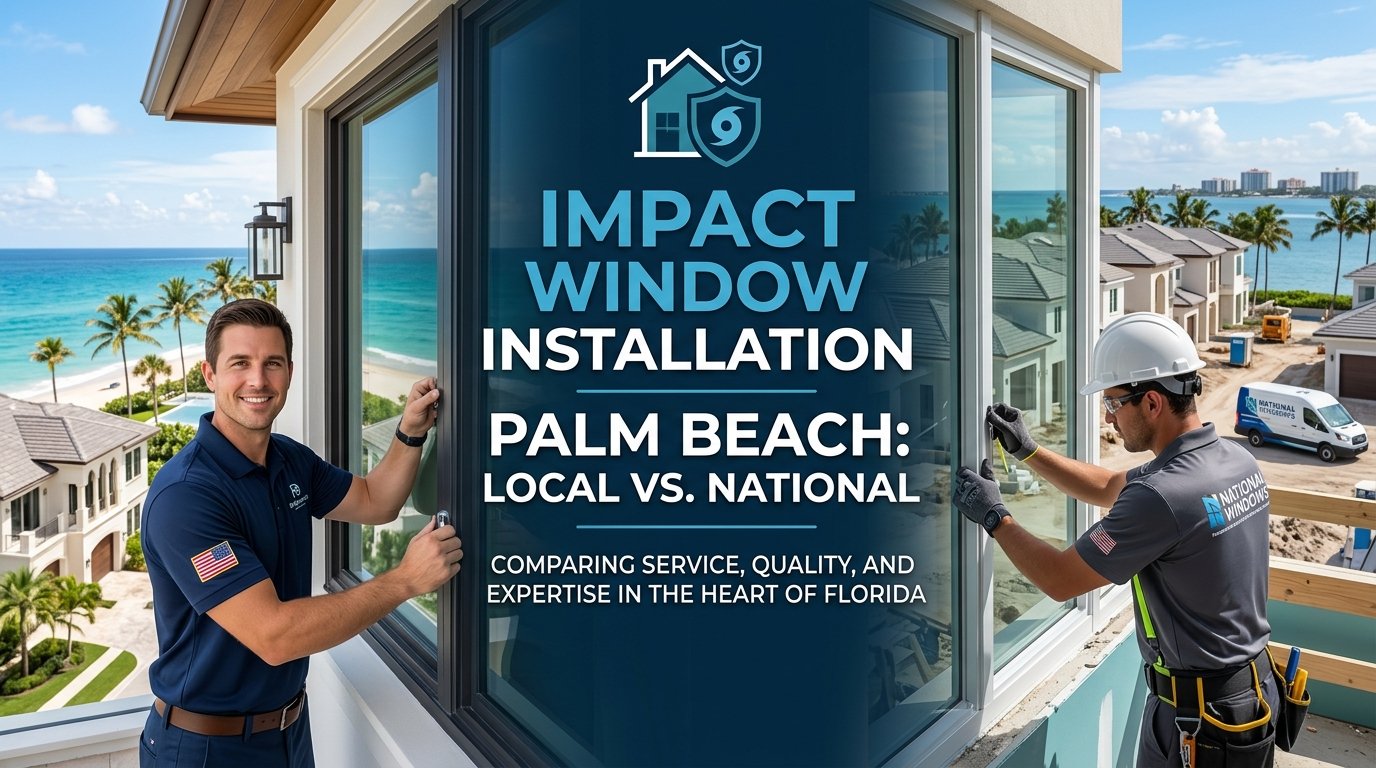
The complexity of Florida Building Code compliance makes professional installation essential. Experienced contractors understand regional code variations, proper product selection, and installation techniques that ensure performance. They maintain relationships with building departments in Palm Beach, Broward, Lee, Collier, Martin, and Charlotte counties, navigating permitting processes efficiently.
Professional installers carry proper licensing, insurance, and workers’ compensation coverage protecting homeowners from liability. A Florida Certified General Contractor brings accountability and expertise that unlicensed installers cannot match. This credential requires passing comprehensive examinations, maintaining continuing education, and adhering to professional standards.
Military family-owned businesses bring additional values of precision, discipline, and commitment to excellence. These companies understand that protecting South Florida families isn’t just business—it’s a mission requiring the same dedication that characterized their service to country.
Long-Term Benefits of Code-Compliant Installation
Properly installed impact windows deliver benefits extending far beyond hurricane protection. Insurance companies recognize code-compliant installations with premium reductions often reaching 30% or more. These savings accumulate year after year, offsetting installation costs while providing superior protection.
Energy efficiency improvements reduce cooling costs substantially. Impact windows with proper SHGC ratings block solar heat while allowing natural light, reducing air conditioning loads in South Florida’s intense sun. The insulated glass units in quality impact windows from PGT, CGI, and ES Windows create thermal barriers that maintain comfortable interior temperatures.
Noise reduction improves quality of life, particularly near busy roads or commercial areas. The laminated glass construction that stops hurricane debris also blocks exterior noise, creating quieter, more peaceful indoor environments. Security benefits are significant too—impact-resistant glazing deters break-ins, providing year-round protection against human threats as well as natural ones.
Choosing Your Installation Partner
Selecting the right contractor determines whether your impact window investment delivers promised benefits. Verify Florida licensing credentials, confirm experience with your specific product brands, and request references from recent projects in your county. A professional contractor provides detailed written proposals, explains the installation process thoroughly, and commits to code compliance without shortcuts.
Companies partnering with leading manufacturers like PGT, CGI, ES Windows, Hurricane Master, Therma-Tru, Lawson, Amarr, and Clopay demonstrate commitment to quality. These partnerships require meeting manufacturer standards for training, installation practices, and customer service. They ensure access to genuine products with valid warranties and proper technical support.
The impact window installation process in South Florida demands expertise, precision, and unwavering commitment to Florida Building Code compliance. Your family’s safety during the next hurricane depends on installations that meet these exacting standards. Professional installation isn’t an expense—it’s an investment in protection, comfort, and peace of mind that pays dividends for decades.
Ready to protect your South Florida home with professionally installed impact windows and doors? Contact our team of Florida Certified General Contractors today for a comprehensive assessment and detailed proposal. We’ll guide you through product selection, explain the complete installation process, and ensure your project meets all 2026 Florida Building Code requirements. Don’t wait for the next hurricane warning—protect your family and property with impact protection installed right the first time.